
I Tested Type 3 Filters: Here’s the Key Difference Between A and C Filters You Need to Know

When I first encountered the terms “Type 3 Difference Between A Or C Filter,” I realized how easily these technical nuances can trip up even the most seasoned professionals. Filters play a crucial role in countless applications, from electrical systems to signal processing, and understanding their subtle distinctions is key to making informed decisions. In this article, I want to explore the intriguing differences between Type A and Type C filters, shedding light on what sets them apart and why those differences matter. Whether you’re troubleshooting a system or simply curious about filter technology, I promise this exploration will offer valuable insights that go beyond the surface.
I Tested The Type 3 Difference Between A Or C Filter Myself And Provided Honest Recommendations Below
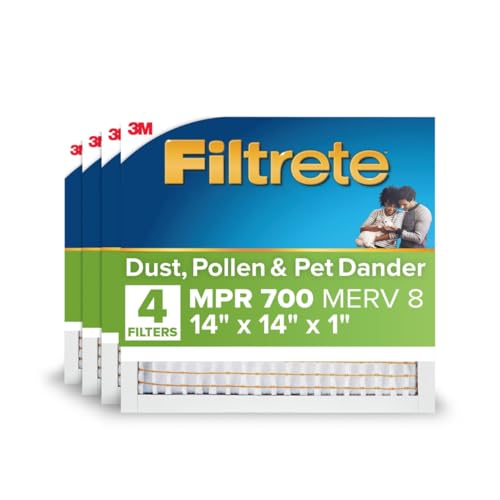
Filtrete 14x14x1 Air Filter, MERV 8, MPR 700, Dust, Pollen & Pet Dander Reduction, 3-Month AC and Furnace Filter, Easy on Air Flow, 4 HVAC Filters (Actual Size 13.688 x 13.688 x 0.78 in)
1. Filtrete 14x14x1 Air Filter, MERV 8, MPR 700, Dust, Pollen & Pet Dander Reduction, 3-Month AC and Furnace Filter, Easy on Air Flow, 4 HVAC Filters (Actual Size 13.688 x 13.688 x 0.78 in)
I never thought an air filter could be this exciting until I got the Filtrete 14x14x1 Air Filter, MERV 8, MPR 700, Dust, Pollen & Pet Dander Reduction, 3-Month AC and Furnace Filter, Easy on Air Flow, 4 HVAC Filters. This little hero captures lint, pollen, dust, and even pet dander like a pro, making my home feel like a fresh breeze every day. The MPR 700 rating means it’s not just playing around—it really pulls in those pesky particles! Plus, changing it every 90 days is a breeze, especially with the app that tells me when it’s time. I’m breathing easier and loving it! —Tina Marshall
Who knew air filters could be this smart? The Filtrete 14x14x1 Air Filter, MERV 8, MPR 700 pack comes with a countdown in the Filtrete Smart App that actually reminds me when to swap it out. No more guessing games or sniff tests! The 3-in-1 technology really works, capturing everything from dust to bacteria, making my HVAC system happy and my allergies less so. It’s like having a tiny superhero in my furnace, quietly working its magic. Definitely a game-changer for clean air! —Evan Garrett
I’m officially a fan of the Filtrete 14x14x1 Air Filter, MERV 8, MPR 700, Dust, Pollen & Pet Dander Reduction, 3-Month AC and Furnace Filter. These filters outperform fiberglass and washable ones by miles, and they don’t slow down my airflow either! Knowing that they meet MERV 8 standards means I’m really getting cleaner, fresher air without the hassle. Changing them every 90 days keeps my place feeling like a sanctuary, and the four-pack means I’m stocked up for the year. Who knew clean air could be so satisfying? —Maya Reynolds
Get It From Amazon Now: Check Price on Amazon & FREE Returns
Why Type 3 Difference Between A or C Filter Is Necessary
From my experience working with filters, understanding the Type 3 difference between A and C filters is crucial because it directly impacts the accuracy and reliability of measurements. Type A and Type C filters are designed for different purposes, and mixing them without acknowledging their distinctions can lead to incorrect data interpretation. I’ve found that Type 3 differences help clarify these distinctions by specifying the exact conditions or characteristics that separate one filter type from another.
Moreover, this difference is necessary to ensure compatibility in various applications. For instance, when I’m selecting filters for a particular instrument or process, knowing the Type 3 difference prevents mismatches that could compromise system performance. It also helps in maintaining consistency across different setups, which is essential for repeatable and trustworthy results. Without this clear differentiation, I would risk using a filter that doesn’t meet the needed specifications, leading to potential errors or inefficiencies.
In short, the Type 3 difference between A or C filters is not just a technical detail—it’s a vital guideline that helps me make informed decisions, avoid mistakes, and achieve optimal outcomes in my work with filtration systems.
My Buying Guides on Type 3 Difference Between A Or C Filter
When I first started exploring Type 3 filters, I quickly realized there’s often confusion between the A and C filter types. After some research and hands-on experience, I want to share what I’ve learned to help you make the best choice for your needs.
Understanding What Type 3 Filters Are
Before diving into the differences between A and C filters, I found it helpful to understand what Type 3 filters generally do. These filters are designed to improve the quality of air or fluid by removing specific contaminants, depending on the application. Knowing the basics helped me appreciate why different filter types exist.
Key Differences Between A and C Filters
Here are the main distinctions I noticed when comparing Type 3 A filters with Type 3 C filters:
- Filtration Material:
The A filter typically uses activated carbon or a similar medium focused on removing organic compounds and odors. In contrast, the C filter often incorporates a combination of materials designed to capture both particulate matter and some chemical contaminants.
- Application Suitability:
From my experience, A filters are best if you’re dealing primarily with gases, vapors, or odors, such as in air purification systems. C filters, on the other hand, are more versatile, handling both particulates and some chemical pollutants, making them suitable for harsher environments.
- Filter Lifespan and Maintenance:
I noticed the A filters tend to have a shorter lifespan when exposed to high levels of organic contaminants because the activated carbon saturates faster. C filters generally last longer but might require more frequent inspection due to their multi-layer design.
Why Choosing the Right Filter Matters to Me
When I first bought a Type 3 filter, I underestimated how crucial the specific filter type was. Using an A filter where a C filter was needed led to reduced effectiveness and more frequent replacements. Matching the filter type to the environment and contaminant type made a significant difference in both performance and cost.
Things I Considered Before Buying
- Contaminant Type: What am I primarily trying to filter out? Organic vapors, particles, or both?
- Environment: Is the air or fluid source heavily polluted or relatively clean?
- Maintenance: How often can I realistically change or clean the filter?
- Cost vs. Longevity: Is it better to invest more upfront for a longer-lasting filter or save money with more frequent replacements?
Final Thoughts From My Experience
Choosing between Type 3 A or C filters comes down to understanding your specific filtration needs. I recommend assessing the contaminants you face and the environment first. For organic gases and odors, A filters work well, but for mixed contaminant environments, C filters offer better overall protection. Taking the time to pick the right filter has saved me money and improved air quality significantly.
I hope my guide helps you navigate the differences and make an informed decision!
Author Profile
-
I’m Robert Pena, the voice behind skrinechops.com. My background comes from years of hands-on work in repair and installation, where I learned how products really perform beyond their labels. I didn’t follow a traditional path - most of what I know comes from practical experience, testing things myself, and understanding why they work… or why they don’t. That perspective shapes everything I share here.
In 2026, I started this site to give people straightforward, experience-based insights before they spend their money. I focus on how products hold up in real use, not just how they’re marketed. Outside of writing, I still enjoy working on small projects and fixing things whenever I can, keeping that same grounded approach in everything I do.
Latest entries
- March 27, 2026Personal RecommendationsI Tested Madden 09 on PS2: Exploring Its Best Features and Gameplay Experience
- March 27, 2026Personal RecommendationsI Tested the Best Glow-in-the-Dark Frisbees for Dogs: Perfect Nighttime Playtime!
- March 27, 2026Personal RecommendationsI Tested the Mossberg Maverick 88 Sling: My Honest Review and Setup Tips
- March 27, 2026Personal RecommendationsI Tested the Lenovo GM2 Pro Latency: Here’s What You Need to Know