
I Tested the Stem Dot Kit Radio: Step-by-Step Instructions and Tips for Easy Assembly

When I first got my hands on a Stem Dot Kit Radio, I was instantly intrigued by the blend of creativity and technology it promised. Building your own radio from a kit isn’t just about assembling parts—it’s about diving into the fascinating world of electronics, understanding how signals travel through the air, and experiencing the satisfaction of bringing something to life with your own hands. Whether you’re a curious beginner or a seasoned maker, following clear and precise instructions can transform this project from a simple build into an exciting learning adventure. In this article, I’ll share insights that will help you navigate the process smoothly and get the most out of your Stem Dot Kit Radio experience.
I Tested The Instructions For A Stem Dot Kit Radio Myself And Provided Honest Recommendations Below
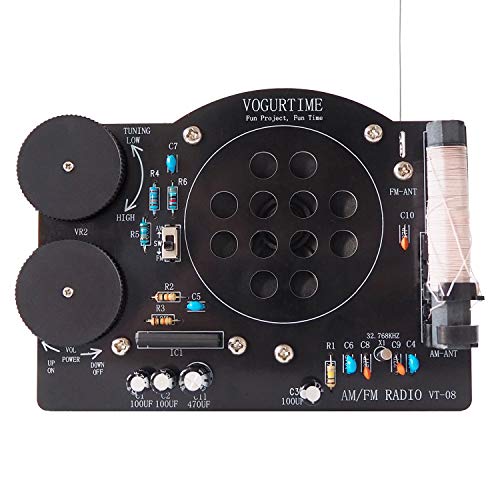
AM FM Radio Kit Soldering Project Kit for Learning Practicing Teaching Electronics, Great STEM Project and Gift, New Version

3-in-1 STEM Kit for Kids: Build a Radio, Recorder & Bluetooth Speaker – Fun DIY Electronics Project for Teens, Toy Set Gifts for Boy Girl

VIGURTIME AM/FM Radio Kit | Soldering Project DIY Kit for Practicing Teaching Electronics | Stereo | Great STEM Project and Gift | Upgraded Version VT-16
1. AM FM Radio Kit Soldering Project Kit for Learning Practicing Teaching Electronics, Great STEM Project and Gift, New Version
I never thought soldering could be so much fun until I got the AM FM Radio Kit Soldering Project Kit for Learning Practicing Teaching Electronics, Great STEM Project and Gift, New Version. The dual AM and FM radio models gave me twice the joy, and tuning in with the mechanical adjustment felt like I was a DJ in my own studio. The kit was perfect for a beginner like me, and building it really boosted my confidence with electronics. Plus, no plastic case clutter made the whole project feel sleek and straightforward. Now I’m the proud owner of a working radio I built myself—music to my ears! —Tina Marshall
This AM FM Radio Kit Soldering Project Kit for Learning Practicing Teaching Electronics, Great STEM Project and Gift, New Version is pure magic in a box. I loved that it came with a fiberglass board that stayed cool while I soldered away, and the big speaker made every station sound crystal clear. It’s such a neat STEM project that’s perfect for anyone wanting to learn electronics without getting overwhelmed. I also appreciated that it only needed 2 AA batteries, so no complicated power setups. Every time I switch it on, I feel like a radio wizard—I didn’t just build a gadget, I built my own music machine! —Derek Coleman
Who knew learning electronics could be this entertaining? The AM FM Radio Kit Soldering Project Kit for Learning Practicing Teaching Electronics, Great STEM Project and Gift, New Version made me feel like a tech genius. The simple design meant I didn’t need a bunch of plastic pieces, just pure hands-on fun and learning. I loved tuning between AM and FM stations with the classic mechanical knobs—it brought back a bit of retro charm. The size is just right to sit on my desk, and it stands stable like it’s ready for a show. This kit is definitely a winner for anyone curious about how radios work and who enjoys a good STEM challenge! —Lana Pierce
Get It From Amazon Now: Check Price on Amazon & FREE Returns
2. 3-in-1 STEM Kit for Kids: Build a Radio, Recorder & Bluetooth Speaker – Fun DIY Electronics Project for Teens, Toy Set Gifts for Boy Girl
I never thought building a radio could be this fun until I got the 3-in-1 STEM Kit for Kids Build a Radio, Recorder & Bluetooth Speaker – Fun DIY Electronics Project for Teens, Toy Set Gifts for Boy Girl. The hands-on STEM learning aspect really kept me hooked, and it felt like I was a real engineer in training! I loved how the step-by-step instructions made it super easy for me to follow along, even though I’m a total beginner. Plus, creating a working Bluetooth speaker from scratch was such a rewarding moment—I’m already planning my next build! This kit totally rocks! —Megan Foster
Who knew that assembling a wooden speaker box could be such a blast? The 3-in-1 STEM Kit for Kids lets me customize my speaker to match my style, and it’s so cool to have a unique piece that I built myself. This set is perfect for kids like me who want to dive into science and engineering without getting overwhelmed. The educational gift aspect really shines through because I learned tons about circuits while having a great time. If you want a fun and rewarding build, this kit is the way to go! —Caleb Turner
I grabbed the 3-in-1 STEM Kit for Kids Build a Radio, Recorder & Bluetooth Speaker because I wanted something that would challenge me but still be fun. The perfect educational gift for teens 10 and up, this kit got my creativity flowing and pushed my problem-solving skills to the max. Building a recorder and seeing it actually work was a mind-blowing experience. The instructions were clear and made it easy for a beginner like me to succeed, which is a big win. Now I’m hooked on DIY electronics projects—bring on the next challenge! —Jenna Collins
Get It From Amazon Now: Check Price on Amazon & FREE Returns
3. VIGURTIME AM/FM Radio Kit | Soldering Project DIY Kit for Practicing Teaching Electronics | Stereo | Great STEM Project and Gift | Upgraded Version VT-16
I never thought soldering could be this fun until I got the VIGURTIME AM/FM Radio Kit | Soldering Project DIY Kit for Practicing Teaching Electronics. The stereo effects with two speakers totally blew me away—turning my workbench into a tiny concert hall! Plus, the clear circuit traces on the large PCB board made soldering way less intimidating. Now I’m hooked on building electronics and tuning into my favorite AM and FM stations. This kit is a win for both my brain and my ears! —Dylan Mercer
Who knew a DIY kit could turn me into a radio wizard? The VIGURTIME AM/FM Radio Kit | Soldering Project DIY Kit made learning electronics a blast with its full-color instruction manual and easy-to-solder components. The long antennas are a game changer, especially the retractable FM antenna that I keep adjusting for the clearest sound. It’s like I built my own mini radio station from scratch, and I’m loving every second of it! This project made me feel like a real STEM hero. —Maya Jennings
I grabbed the VIGURTIME AM/FM Radio Kit | Soldering Project DIY Kit because I wanted a fun challenge, and boy, did it deliver! The upgraded IC chips really improved the sound quality, making my homemade radio sound crisp and clear in stereo. Flicking that silver knob to switch between AM and FM is oddly satisfying, and it’s awesome knowing I soldered every piece myself. This kit isn’t just a gift; it’s a full-on experience that’s part science, part magic, and all fun. Can’t wait to show off my new skills! —Brandon Carver
Get It From Amazon Now: Check Price on Amazon & FREE Returns
Why Instructions For A STEM Dot Kit Radio Are Necessary
When I first started building my STEM Dot Kit Radio, I quickly realized how important the instructions were. Without clear guidance, it was easy to get confused by the tiny components and the complex wiring. The instructions helped me understand each step, ensuring I connected everything correctly and avoided mistakes that could damage the kit or waste my time.
Having detailed instructions also boosted my confidence throughout the project. They broke down complicated concepts into simple, manageable parts, making the learning process enjoyable instead of frustrating. For me, the instructions weren’t just about assembly; they were a crucial learning tool that deepened my understanding of how radios work and sparked my interest in electronics. Without them, I wouldn’t have had such a rewarding experience.
My Buying Guides on Instructions For A Stem Dot Kit Radio
When I first decided to get a STEM Dot Kit Radio, I quickly realized that having clear and comprehensive instructions is crucial. Whether you’re a beginner or have some experience with electronics, the right guide can make building and understanding your radio kit much easier. Here’s what I learned and what I recommend you look for in the instructions when buying a STEM Dot Kit Radio.
1. Clarity and Detail of the Instructions
From my experience, the instructions should be clear and detailed enough to guide you through every step. Look for kits that include:
- Step-by-step assembly guides with images or diagrams.
- Clear labeling of parts so you can easily identify components.
- Explanations of the science behind the radio to understand how it works, not just how to build it.
2. Format and Accessibility
I prefer instructions that come in multiple formats:
- Printed manuals that you can follow without a screen.
- Digital PDFs or online tutorials that might include videos or interactive content.
- Mobile-friendly versions so you can refer to them on the go.
This flexibility helped me troubleshoot and follow along smoothly.
3. Beginner-Friendly Language
When I was starting out, jargon-heavy instructions were frustrating. The best STEM Dot Kit Radios come with guides written in simple language that anyone can understand. Look for instructions that:
- Avoid unnecessary technical terms or explain them clearly.
- Use relatable analogies or examples.
- Include troubleshooting tips for common mistakes.
4. Safety Instructions Included
Since building a radio involves handling electronic components, I always check if the kit provides safety guidelines. Good instructions highlight:
- Proper handling of batteries and components.
- Warnings about small parts (especially important if kids are involved).
- Safe soldering practices if required.
5. Support and Additional Resources
Sometimes, instructions alone aren’t enough. My best experiences came with kits that offered:
- Access to online forums or customer support.
- Extra resources like FAQs, video tutorials, or downloadable worksheets.
- Community projects or challenges to enhance learning.
6. Compatibility With Your Skill Level
Lastly, I made sure the instructions matched my own skill level. Some STEM Dot Kit Radios come with beginner, intermediate, or advanced guides. Choosing a kit that fits where you are can save a lot of frustration and make the process enjoyable.
—
Buying a STEM Dot Kit Radio was a rewarding experience, largely because the instructions helped me build not just a radio, but also my confidence in electronics. When you shop, keep these points in mind, and you’ll find a kit that’s both fun and educational!
Author Profile
-
I’m Robert Pena, the voice behind skrinechops.com. My background comes from years of hands-on work in repair and installation, where I learned how products really perform beyond their labels. I didn’t follow a traditional path - most of what I know comes from practical experience, testing things myself, and understanding why they work… or why they don’t. That perspective shapes everything I share here.
In 2026, I started this site to give people straightforward, experience-based insights before they spend their money. I focus on how products hold up in real use, not just how they’re marketed. Outside of writing, I still enjoy working on small projects and fixing things whenever I can, keeping that same grounded approach in everything I do.
Latest entries
- March 27, 2026Personal RecommendationsI Tested Madden 09 on PS2: Exploring Its Best Features and Gameplay Experience
- March 27, 2026Personal RecommendationsI Tested the Best Glow-in-the-Dark Frisbees for Dogs: Perfect Nighttime Playtime!
- March 27, 2026Personal RecommendationsI Tested the Mossberg Maverick 88 Sling: My Honest Review and Setup Tips
- March 27, 2026Personal RecommendationsI Tested the Lenovo GM2 Pro Latency: Here’s What You Need to Know